
Highlights in this latest online magazine (Issue 26 | April 2023) include:
- Cargo bike standard nears completion
- Europe awaits finalisation of battery regulation
- FTA to push Thailand as bicycle supplier
- Reform of EU Competition Law completed
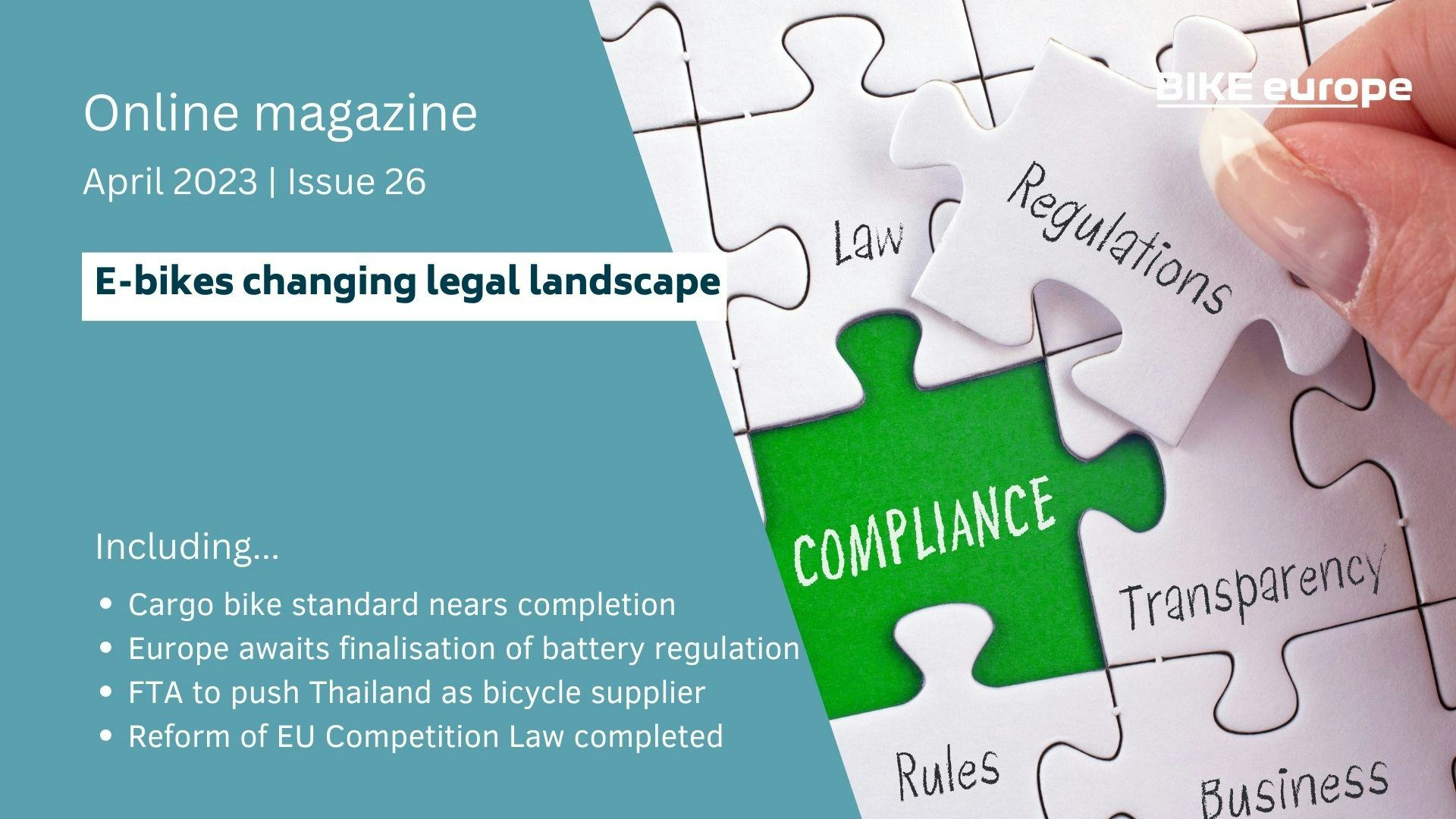
As market shares for e-bikes across Europe grow, so does the need for the correct regulatory framework to help this booming business thrive. This online magazine looks at the legal changes being made and what is on the horizon, including the new battery regulation which is aimed at developing a competitive and sustainable battery industry in Europe. Also, as a last mile delivery opportunity and eco-friendly alternative to a car, the relevance of the cargo bike is growing. A new European standard for this category is needed to help standardise the legal patchwork that exists throughout Europe.
Highlights in this latest online magazine (Issue 26 | April 2023) include:
Whyte Bikes

Motinova

Motinova
DAHON

DAHON

The bicycle industry is entering a new phase of digital maturity. Connected e-bikes, rider apps and smart diagnostics are generating unprecedented volumes of user data, turning bikes into "a data collector on wheels." Bike Europe sat down with Paolo Balboni, an expert European lawyer specialised in privacy, data sharing and cybersecurity law, to better understand how companies can mitigate risk and stay compliant.
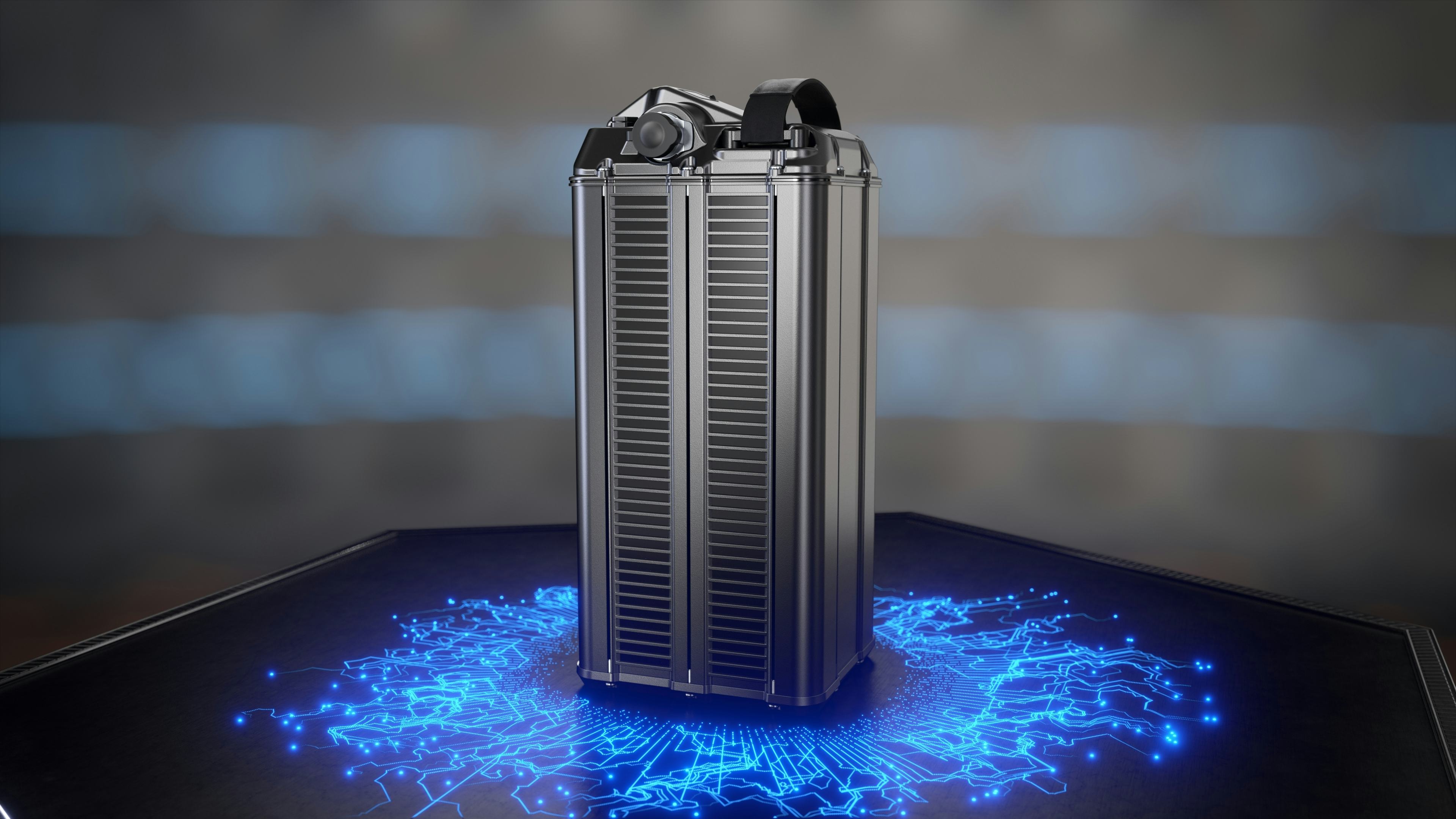
As the e-bike industry prepares for the impending battery regulatory overhaul in the European Union, readyness and compliance are becoming increasingly important topics. Bike Europe has created a working timeline of key deadlines related to the battery regulations to support companies as they position themselves within the new framework.

Starting 18 February, 2027, the European Union will mandate a digital battery passport for all light means of transport (LMT) batteries, including e-bikes, to enhance sustainability and traceability. This digital record, accessed via QR code, will contain detailed information on the battery's composition, carbon footprint, technical performance and lifecycle. With one year to go, various solutions and regulatory clarity for the e-bike market are beginning to take shape.

The European and Indian bicycle industries have always maintained close ties, although the trade volume remained relatively low. This might change drastically now: after almost 20 years of difficult talks, the Free Trade Agreement was agreed on 27 January in New Delhi. It's the biggest deal ever made by either side, which has also been eagerly awaited by the bicycle industry.